
If you’re looking for an effective strategy to grow your audience outside gatekeeping algorithms and shitty streaming payouts, you’ve come to the right place! This post delivers a comprehensive guide for indie artists on how to use college radio as an independent musician…
For indie artists, breaking through the noise of streaming platforms and social media algorithms can feel like an uphill battle. While major playlist placements and viral moments seem like the golden ticket, there’s a powerful and often overlooked avenue that consistently delivers real traction. And that powerful tool is called college radio.
College radio has been an incubator for emerging artists for decades. It has helped launch the careers of countless bands, producers, and singer-songwriters long before the dominance of digital platforms. It remains one of the most supportive, accessible, and high-impact spaces for new music. And today, it’s more relevant than ever!
In this guide, I’ll break down exactly why college radio is one of the best tools for indie musicians. In it, you’ll learn how to pitch effectively and how to find the right stations and specialty shows that fir your genre/style.
I’ll also share how I personally saw major momentum from my own college radio rotations on several stations nationwide.
Why Using College Radio as an Independent Musician is One of the Best Launchpads for Your Career
1. College radio champions new and experimental artists
While commercial radio relies on major label relationships and strict programming, college radio thrives on discovery. Student DJs, independent music directors, and specialty show hosts actively seek out fresh, unique, genre-bending music.
This makes it far easier for indie artists to stand out and get in their rotation.
In fact, if your sound doesn’t perfectly fit mainstream pop or commercial formatting, college radio is the perfect home.
2. Spins are more valuable than streams
A single stream on most streaming platforms like Spotify, Pandora, Apple Music, and YT Music, pay fractions of a cent. Absolutely pathetic, I know! However, a single radio spin pays much more.
Radio royalties – especially non-commercial radio, pay significantly higher amounts for each broadcast, especially when your music is registered with SoundExchange and a PRO (Performance Rights Organization).
Multiple stations playing your song weekly can generate real, consistent revenue that dwarfs typical streaming payouts. Speaking of collecting all royalties due to you, make sure to read my comprehensive guide on How to Collect Royalties as an Independent Artist (Producer or Musician).
3. College radio has a passionate built-in audience
College radio listeners tend to be curious, engaged lovers of music who actively want to discover new artists.
These are the same people who:
• share new finds with friends
• attend small shows
• buy merch
• join Discords and follow indie creators
• stick around as long-term fans
This is the exact kind of audience every independent musician needs.
4. Real-world proof: How college radio supported my recent releases
College radio has played a major role in helping me expand my audience and grow my momentum.
Here are a few key highlights:
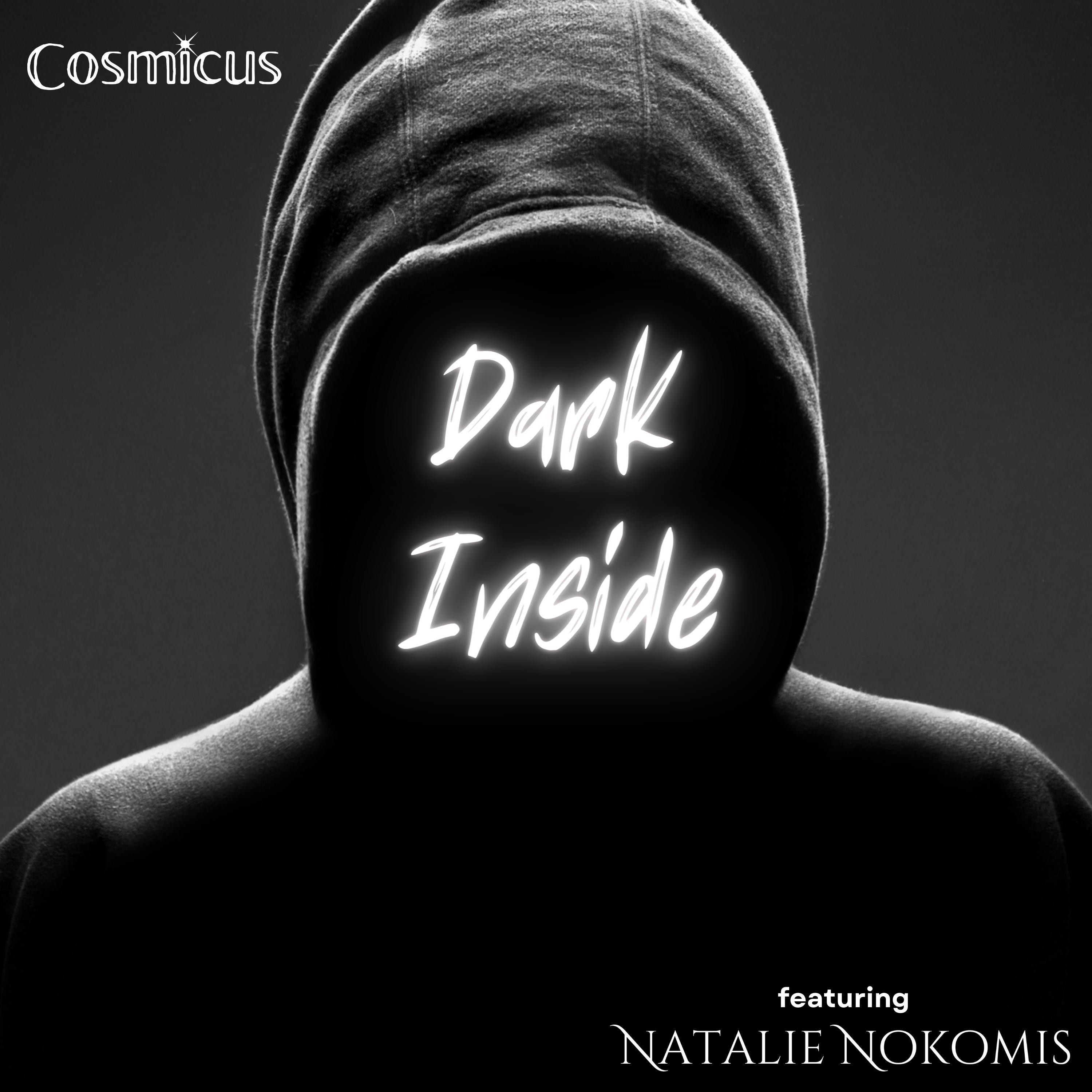
• “Dark Inside” (feat. Natalie Nokomis) was in regular rotation for three months on WKRB in Brooklyn, giving the song consistent exposure in a massive city and bringing new listeners to my catalog.
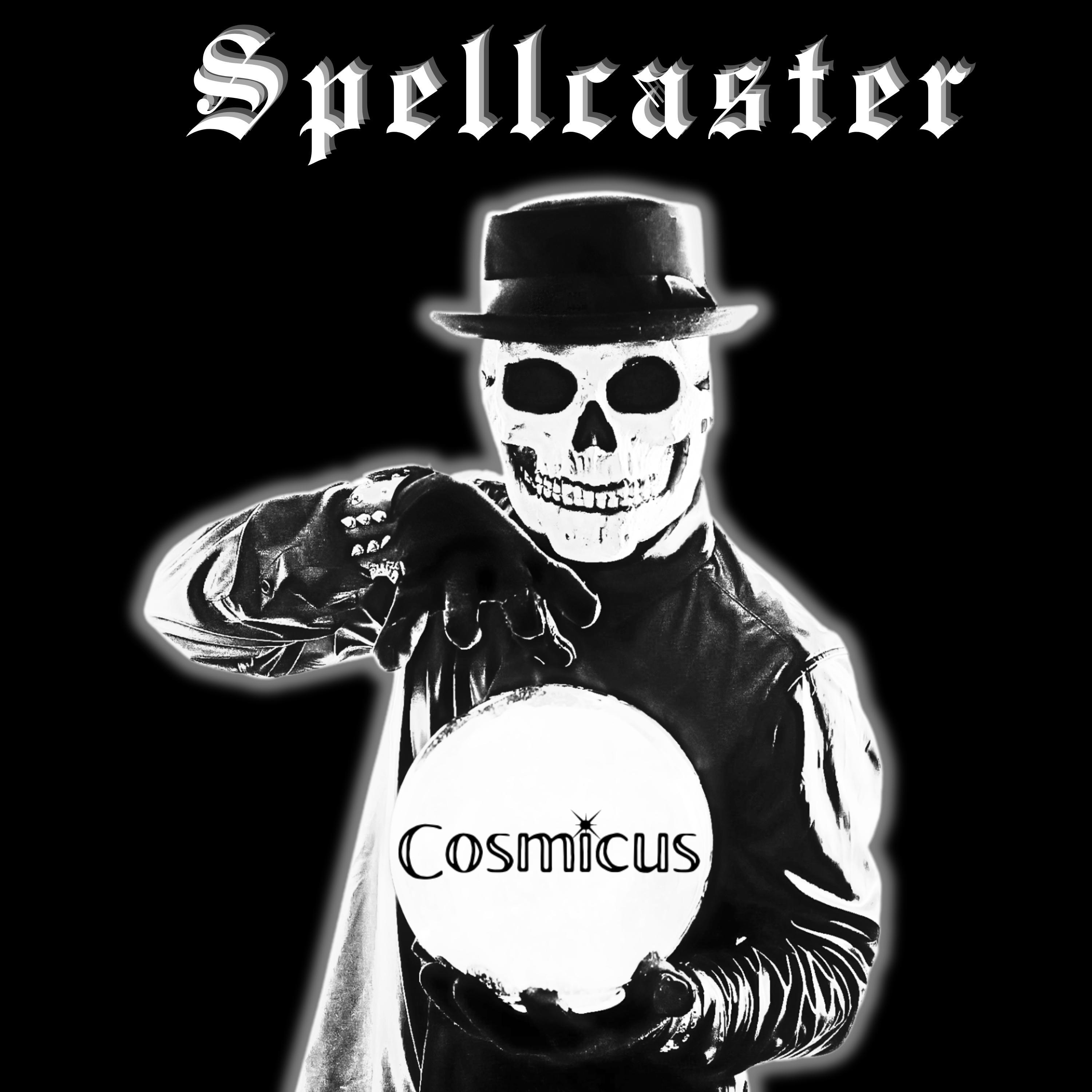
• “Macabre” off my Halloween album “Spellcaster,” was recently spun on stations across the U.S., leading to a noticeable jump in streaming, website traffic, and all my social platforms.
Seeing “Macabre” from that album played on-air in particular led to one of my biggest boosts in metrics outside of paid ads or algorithm luck. That is the power of using college radio as a launchpad for independent musicians.
5. Stations actually respond to indie artists
Unlike major commercial FM stations, college radio staff often read their emails, check their DMs, and take pride in championing undiscovered music. Crafting a simple, respectful pitch can genuinely lead to airplay; and fast.
How to Find College Radio Stations for Your Music
There are several excellent resources indie artists can use to find stations nationwide:
1. Radio-Locator
Radio Locator is, by far, the best resource for finding college, independent, and community radio stations in the USA. It’s a comprehensive tool where you can search for stations by city, state, format, or call letters.
Just type in your genre or region and browse hundreds of station profiles. For locations outside the USA, visit their sister site, radio-locator-worldwide, where you can search any city or genre in any continent.
2. College Radio Directory
College Radio Directory is a curated database of college and non-commercial stations across the USA. This resource is great for building a mailing list or targeting specific genres.
3. Spinitron
Many college stations use Spinitron to track playlists and rotations. You can search your genre and see which stations play similar artists.
4. Wikipedia Lists
This Wikipedia database is surprisingly useful. Use it to search a list of college radio stations or browse by location. They have a USA version and an international version.
5. Individual university websites
Most colleges list their radio station contact info, show schedule, and DJ emails directly on their site. To find any college station in any given area, use the radio locator tool mentioned in step 1 above.
How to Pitch College Radio (Step-by-Step)
Using college radio as an independent musician doesn’t require a massive PR budget; just good communication and a professional approach.
Here are the detailed steps and highly effective approach to getting your music heard on air:
1. Identify the right shows for your genre
Most stations have:
• specialty shows (dark pop, electronic, alt-R&B, indie, experimental, etc.)
• general music director submissions
• rotation-specific submission emails
Look for shows that actually play music like yours. You’ll get better results and often faster airplay.
2. Email pitch template for college radio
Here’s a pitch format that works well:
Subject: New Music Submission – Your Artist Name – For Rotation / Specialty Show
Hi [Name],
My name is [Your Name], an independent [genre] artist. I’d love to submit my new track “[Song Title]” for rotation or any specialty shows you think it fits.
FFO: (For fans of) [similar artists]
Genre: dark pop / alt-R&B / electronic
RIYL: [artists they play]
I’ve recently had songs added to rotation at stations like WKRB in Brooklyn, and I’m hoping to continue building momentum with supportive stations like yours. This example is the one I used, but you can put any accomplishments you’re proud of here. Just insert something that will make them take you seriously.
Here’s the track + assets:
• Streaming link:
• Download link (MP3):
• Press photo:
• Short bio:
Thank you for considering it, and thank you for supporting independent musicians.
Best,
[Your Name] Website / IG / TikTok
Keep it short. Clear. Professional.
Consider using ChatGPT or any other AI platform to help you compose and tailor your message.
3. Attach the right assets
Always include:
• MP3 link
• IMPORTANT: make sure your MP3 has all important metadata embedded into the file (ISRC, PRO, rights ownership, mood, genre, etc…). For this, don’t skimp. In fact, the more info you embed in the file, the better. For more details on how to do this, read How to Collect Royalties as an Independent Artist (Producer or Musician)
• Clean & explicit versions (if needed)
• A one-paragraph bio
• A one-sheet (optional)
• Cover art
•ALSO IMPORTANT: always send links ONLY. Never send attachments! You can use Google drive, Dropbox, Soundcloud, or Disco… or whatever they ask for on their website.
DJs and music directors love simplicity and want all necessary details. They don’t have time to go searching for your ISRC number.
4. Follow up respectfully
If you don’t hear back after a week or two, send a quick follow-up email. Many stations are run by students and volunteers who get overwhelmed. A gentle nudge is normal and appreciated.
But if you don’t hear back after the follow-up, move on.
Leverage Social Media: Connect With DJs and Stations
Using college radio as an independent musician isn’t just about submitting your songs. It’s also about building relationships.
That said, here’s how to connect with DJs on social media:
• Follow the station and its specialty show accounts.
• Comment on show posts.
• Tag them when your song airs.
• Re-share their stories or posts that feature your track.
• Thank them publicly when they spin your music.
These interactions help you become a real person and not just another email in their inbox. Many DJs enjoy championing artists they’ve built rapport with.
Final Thoughts: Why You Should Start Pitching Today
If you want a reliable, undervalued, and real strategy to build an audience, using college radio as an independent musician is one of the smartest moves you can make. It has helped me grow discoverability, social engagement, web traffic, and fan loyalty across multiple songs. And it can do the same for you!
If you’re serious about your music career, don’t rely solely on gatekeeping algorithms or shitty streaming payouts.

Start pitching your next single to college radio. Your future fans are already tuned in!
PREVIOUS POST:
Why Every Independent Musician Should Build Their Website on Bandzoogle (And Nowhere Else)
NEXT POST:
Faceless Artist Branding - How to Build a Following without Showing Your Face
LINKS:
View all Blog Posts
Who is Cosmicus?
Step Behind the Mask
Visit the Dark North Store
Connect on Social Media