







Why Ghost Metaphors in Pop and R&B Music Are More Powerful Than Ever
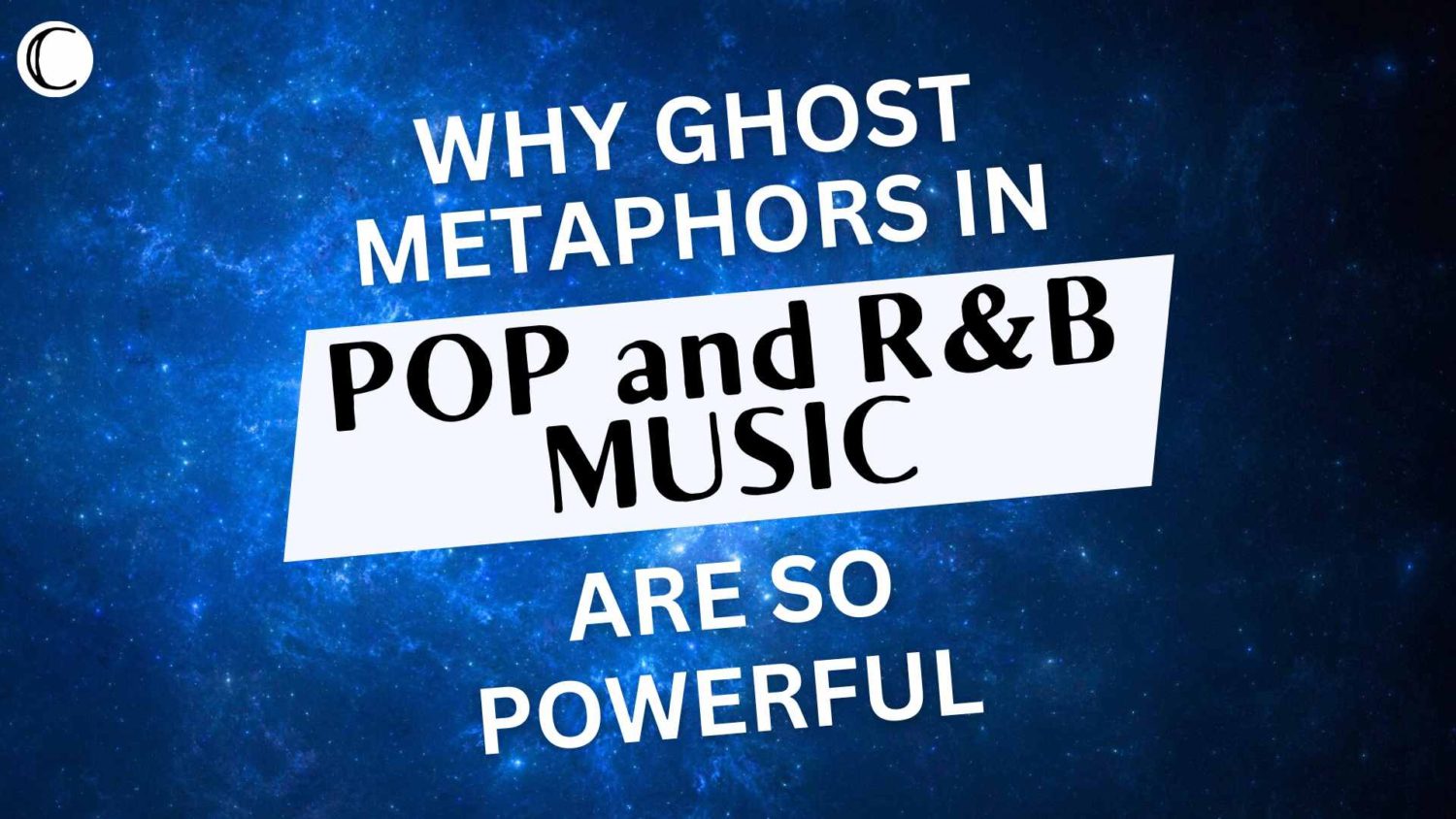
In the last decade, there’s been a growing fascination with the shadow side of human emotion; an artistic movement shaped by vulnerability, introspection, and the unspoken parts of ourselves. This shift has brought with it a surge of ghost metaphors in pop and R&B music, becoming one of the most evocative ways artists explore identity, spirituality, and emotional truth.
Ghosts, shadows, doubles, and hauntings aren’t just Halloween concepts. They’ve become symbolic language for the invisible forces that shape us – our unspoken fears, lost versions of ourselves, and the darkness we avoid. These metaphors resonate because they reflect the psychological landscape of modern life.
In this post, we’ll explore why ghostly symbolism is spreading through contemporary pop/R&B, how darkness relates to everyday living, and how artists like Natalie Nokomis and myself use these themes in our own releases to connect with the listener’s inner world.
The Rise of Ghost Metaphors in Pop and R&B Music
More artists are using ghost metaphors in pop and R&B music because they allow listeners to experience emotional complexity without needing literal language.
These metaphors convey:
• parts of ourselves that haunt us
• memories we can’t escape
• version of us we wish we could let go
• shadow self we avoid but secretly need
In a culture where people are increasingly introspective, and increasingly overwhelmed, ghost imagery provides a powerful emotional shorthand. Even mainstream artists use metaphors of being haunted, possessed, shadowed, or pulled by invisible forces.
But in dark pop and alt-R&B, these metaphors take center stage. They become the core emotional engine of the music.
Darkness as a Reflection of Modern Day Living
Today’s world is filled with uncertainty, over-stimulation, digital personas, and constant comparison. Many people feel disconnected from themselves, their true selves – while navigating curated identities and social expectations.
Darkness has become a symbolic space where people confront what’s real. Darkness in art doesn’t represent evil.
It represents the unfiltered truth:
• raw emotion
• repressed memories
• unspoken desires
• grief and loss
• vulnerability
• the unconscious
People are drawn to darker themes in music because they mirror their internal experiences – feelings that rarely make it into everyday conversation.
This is one of the reasons ghost metaphors in pop and R&B music have grown so prevalent: they capture the emotional weight many people carry but can’t articulate.
Why People Want to Connect With Their Inner Darkness
Whether consciously or subconsciously, listeners crave art that helps them understand their own shadow side. Carl Jung described the “shadow self” as the part of us we hide—our fears, insecurities, impulses, and wounds.
But he also said confronting the shadow is how we become whole. Modern music listeners instinctively know this.
Connecting with inner darkness offers:
• emotional release
• self-understanding
• permission to feel deeply
• a break from forced positivity
• authenticity in a world of filters
Instead of running from the dark, people now seek it as a source of meaning and transformation.
How My Music Uses Ghostly and Dark Metaphors
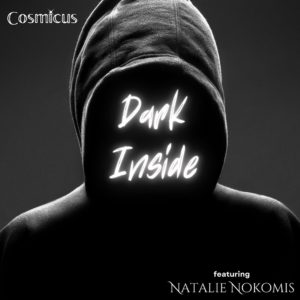
In my song “Dark Inside,” the lyrics intentionally draw listeners into a reflective, dimly lit emotional space. The song invites them to sit with uncomfortable truths and connect with the shadow self rather than hide from it.
It uses ghost metaphors in pop and R&B music to express:
• self-doubt
• hidden emotions
• inner fragmentation
• spiritual searching
Natalie Nokomis’s vocals bring a haunting softness to the track, making the introspection feel safe and cathartic rather than frightening.
“Chokehold” (feat. Natalie Nokomis) deals even more directly with the idea of being caught by your own haunting. Instead of external ghosts, the song explores internal ones; the memories, fears, and shadows that tighten around you until you confront them.
Listeners resonate with this because the “ghosts” are really emotional anchors:
• past relationships
• childhood patterns
• traumas
• insecurities
• versions of yourself you’re trying to outgrow
By personifying these emotions as ghosts, the song gives shape to the invisible. These tracks reflect a growing trend: modern music no longer avoids darkness. Instead, it embraces it as a path to healing.
The Cultural Shift Toward Darkness and Occult Spirituality
The rise of ghost metaphors in pop and R&B music mirrors a broader cultural movement. Many people – especially younger generations, are stepping away from fear-based religious systems and exploring spiritual paths that embrace duality, shadow work, and personal truth.
This includes:
• witchcraft
• tarot
• astrology
• energy work
• ancestry and spirit guides
• occult practices focused on self-empowerment
None of these paths focus on fear. In fact, they often promote acceptance, emotional honesty, and love for the whole self—including the shadow. Unlike certain traditional religions that frame darkness as sinful, occult practices view darkness as a teacher.
This shift is influencing art, fashion, aesthetics, and especially music. It’s no surprise that ghost metaphors in pop and R&B music are rising, and people are seeking symbolism that matches their evolving spiritual landscape.
Darkness Is a Mirror, Not a Monster
One of the most important truths behind all this is simple:
Darkness is a reflection of what we’re unwilling to face.
It isn’t a threat; and it is not evil.
It isn’t a sign of weakness; nor does it mean you’re possessed.
Artists who explore darker themes aren’t glorifying negativity; they’re helping listeners face internal truths safely, through sound and metaphor.
The more society shifts toward introspection and authenticity, the more music will tap into shadow themes. Expect to see more ghost metaphors in pop and R&B music, not fewer.
Darkness is becoming a space of empowerment, not fear.
Final Thoughts
Ghosts, shadows, and haunting imagery are powerful because they speak to what we’re all carrying beneath the surface. They allow artists to express emotions that go beyond language and allow listeners to feel seen in their complexity.
As society continues to embrace inner darkness, occult spirituality, and emotional honesty, these themes will only become more central to modern music.
And that’s a good thing.
Darkness isn’t the enemy; it’s the doorway to understanding who we really are.
PREVIOUS POST:
The Best Mid-Level Microphone for Home Recording Studios
NEXT POST:
How Indie Artists Can Use Playlist Curation to Grow on Spotify
CONNECT WITH COSMICUS:
Step Behind the Mask
Portfolio
YouTube Channel
TikTok
Instagram
Playlists