








How Indie Artists Turn Personal Struggle Into Iconic Storytelling
In an era where listeners crave authenticity more than perfection, one creative skill separates unforgettable indie artists from the merely talented: the ability to turn personal struggle into iconic storytelling. The process of transforming emotional conflict into lyrics, production choices, and performance isn’t just a writing exercise. It’s a full-spectrum artistic discipline that requires honesty, emotional intelligence, and an understanding of how sound itself can narrate a story.
In this deep-dive, we’ll explore how indie artists turn personal struggle into sonic storytelling, how Natalie Nokomis channels her inner battles in “Dark Inside” and “Chokehold,” and how producers can translate emotion into musical architecture.
Whether you’re an artist, songwriter, producer, or creative strategist, mastering this skill elevates your work from songs to statements.
Why Sonic Storytelling Matters More Than Ever
Fans are incredibly good at sensing what’s real.
Artists who can articulate their struggle; through texture, lyrics, vocal tone, tension, and dynamics – build a bond that AI and playlist algorithms can’t engineer. This has become one of the most important creative strategies in modern music.
It builds:
- emotional resonance
- thematic consistency
- identity and brand
- replay value
- narrative depth that can carry an entire project
Struggle, when transformed into art, becomes a powerful connective force.
Turning Emotional Conflict Into Lyrics
The lyrics are often the first and most literal layer of personal struggle. Strong sonic storytelling begins with identifying the emotional center of the conflict and translating it into concrete imagery, metaphor, or narrative.
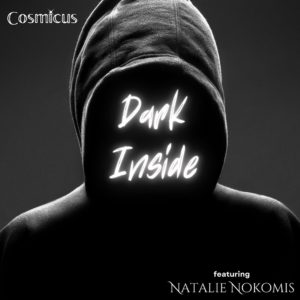
Take Natalie Nokomis for example – and her song “Dark Inside.”
In Dark Inside, Natalie approaches vulnerability not with clichés but with cinematic, psychological language. She frames her emotional turmoil as a place; a haunted interior landscape rather than a simple feeling. This lyrical decision allows her listeners to see her internal battle.
Phrases (paraphrased for safety) hint at:
- isolation
- self-interrogation
- the haunting presence of her own shadow self
This is exactly how indie artists turn personal struggle into sonic storytelling; by using metaphors to elevate private pain into a larger emotional world.
Another song by Natalie Nokomis, “Chokehold.”
In Chokehold, Natalie uses the metaphor of her inner ghost gripping her; an oppressive, almost supernatural force representing fear, self-doubt, or an emotional entanglement she hasn’t escaped. She blends imagery of paralysis, pressure, and surrender with aggressive emotional tension.
This type of lyrical crafting shows how deeply a psychological battle can be translated into narrative form.
Translating Emotion Into Production
Production is where iconic storytelling gains its shape. Great producers don’t just build beats – they design emotional architecture. Here’s how indie artists turn personal struggle into iconic storytelling through production:
1. Harmonic Language
Certain chords naturally evoke tension, release, anxiety, hope, or melancholy.
For example:
- unresolved chords = emotional limbo
- minor 9ths = introspective sadness
- modal interchange = inner conflict
- drone notes = rumination or numbness
2. Texture and Timbre
Texture is emotional. Harsh distortion can feel like inner chaos and soft pads can evoke dissociation.
Metallic percussion can sound like anxiety and reversed samples can feel like memory loops.
Every sound carries emotional subtext.
3. Spatial Effects
Reverb, delay, and panning are tools for psychological storytelling.
For instance:
- a distant vocal can symbolize emotional disconnection
- tight, dry vocals feel intimate or claustrophobic
- wide stereoscapes feel like emotional overwhelm
4. Dynamic Contrast
Struggle comes in waves, and so should the music. Quiet-to-loud transitions mirror the volatility of emotional conflict.
How Natalie’s Songs Use Production Emotionally:
In Dark Inside, the production leans into cold atmospherics; shadowy pads, low-end pressure, and reverb that creates a cavernous emotional setting. The soundscape matches the internal darkness described in the lyrics.
In Chokehold, the production leans into tension; stuttering synths, rising pressure, impactful bass hits. The track feels like something tightening around the listener, mirroring the metaphor of being held by your own haunting thoughts.
These choices reflect exactly how indie artists turn personal struggle into sonic storytelling through sound design and arrangement.
Vocal Performance as Emotional Narrative
Even with great lyrics and production, the vocal delivery is the emotional centerpiece. The choices an artist makes: breathiness, rasp, tension, phrasing – are tools for storytelling.
How Indie Artists Use Their Voice to Convey Struggle:
- Singing slightly behind the beat to convey hesitation
- Using cracks or breaks intentionally
- Whisper tones for vulnerability
- Belted strains for emotional climax
- Layered harmonies to represent internal voices
Natalie’s Approach:
In Dark Inside, Natalie often uses controlled softness and breath-weighted delivery that signals introspection. It feels like a confession whispered in a dark hallway.
In Chokehold, she switches to tension-heavy delivery; tight vibrato, slightly strained notes, and emotional emphasis on phrases that describe the ghostly grip. This dynamic control is a prime example of how indie artists turn personal struggle into iconic storytelling by allowing the voice to act as the narrator.
How Producers Channel Emotion Through Composition
As a producer, you serve as the translator between an artist’s inner world and the listener’s experience. The job isn’t just technical; it’s emotional.
Here’s how to do it effectively:
1. Ask Emotional Questions
Instead of “What genre do you want?” ask:
- What does this emotion feel like physically?
- If this emotion were a color, what would it be?
- Is this a story of collapse or confrontation?
These questions shape both arrangement and sound choice.
2. Build Within an Emotional Arc
Every emotional struggle has stages:
- confusion
- recognition
- conflict
- release
- aftermath
Producers can mirror this arc through:
- tempo shifts
- layering
- automation
- harmonic progression
3. Use Sonic Symbolism
For example:
- a heartbeat kick pattern for anxiety
- detuned synths for instability
- filtered vocals for emotional repression
4. Let Silence Speak
Pauses, breaks, and space can be as emotional as melody. Silence represents the breath between battles.
Final Thoughts
Ultimately, how indie artists turn personal struggle into iconic storytelling is what separates meaningful music from disposable content. Natalie Nokomis exemplifies this through Dark Inside and Chokehold. In those songs, her internal battles are not just described; they’re experienced through the production, lyrics, and vocal delivery.
When artists and producers work together to translate emotion into sound, songs become more than entertainment, they become emotional mirrors for listeners who needed to feel seen.
PREVIOUS POST:
How Indie Artists Can Use Playlist Curation to Grow on Spotify
CONNECT WITH COSMICUS:
Step Behind the Mask
Portfolio
YouTube Channel
TikTok
Playlists
Instagram